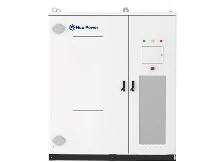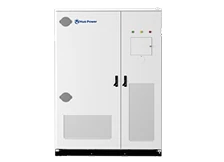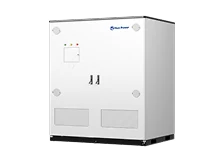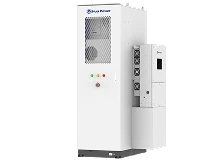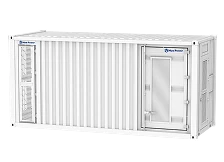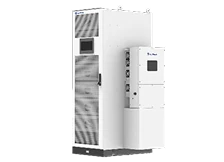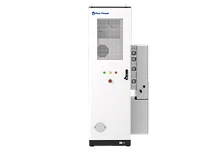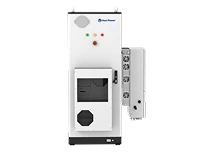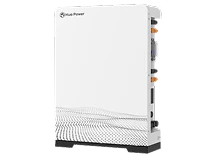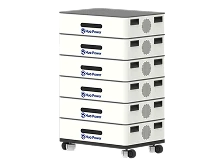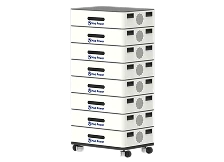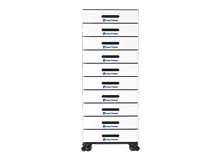





















Commercial battery storage should be purchased against a defined operating requirement, not simply the largest capacity that fits a budget. A facility may need to reduce billed demand, absorb surplus solar generation, or maintain selected equipment during a grid interruption. Those objectives place different demands on the battery, power converter, controls, electrical installation and service organization. A proposal becomes useful when it explains which service is being delivered, under which conditions, and how the customer will verify the result.
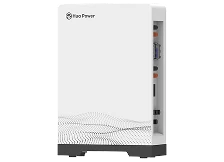
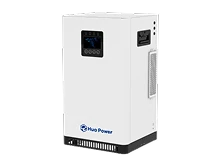
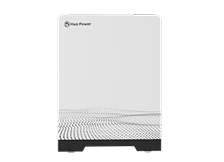
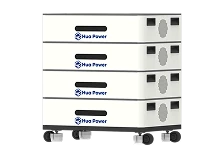
This guide uses the HC-UPSAP261L integrated cabinet as a practical reference for commercial solar and storage procurement. It focuses on the questions an owner, project manager and engineering team should resolve before approving a purchase. Product figures are manufacturer-published values, while financial examples and operating scenarios are explicitly illustrative. No project savings, backup duration or certification outcome should be inferred from a catalog rating alone.
Commercial Battery Storage Starts with a Service Brief
The first procurement document should describe the facility’s problem in measurable terms. A request for a battery with a certain number of kilowatt-hours does not explain why that energy is needed or when it must be available. A service brief connects the operating problem to a testable outcome and gives competing suppliers a consistent basis for their proposals. This reduces the risk that apparently similar quotations actually cover different scopes.
Rank the business objectives
Identify a primary objective and any secondary objectives. A warehouse may prioritize evening solar consumption, while a manufacturer may care most about a short production-related demand peak. Another facility may require critical-load support during interruptions. Each objective needs its own performance measure. Solar consumption can be measured through energy flows, demand reduction through the utility’s billing calculation, and resilience through an agreed load profile and interruption scenario.
Record how conflicts will be resolved. Maintaining a backup reserve leaves less energy available for daily cost reduction. Charging from the grid can change both energy costs and import peaks. Discharging to reduce one demand event may leave the battery unavailable for a later event. Suppliers should describe these interactions in their dispatch assumptions rather than presenting separate maximum benefits that cannot all occur together.
Establish the boundary of the promise
Write down the point at which performance will be measured. A battery’s DC output is different from the energy received by a building after conversion losses and auxiliary consumption. Likewise, supporting a dedicated critical-load panel is different from backing up an entire facility. Identify the meter, loads, operating hours and environmental conditions covered by the proposed guarantee. If the proposal excludes any of these items, the exclusion should be visible before commercial evaluation begins.
The Skladovanie energie v komerčnom a priemyselnom sektore category helps establish the broad equipment family. Product-category membership alone does not establish suitability for a particular service. The service brief should remain the reference against which the final equipment configuration is assessed.
Commercial Battery Storage Product Ratings Need Context
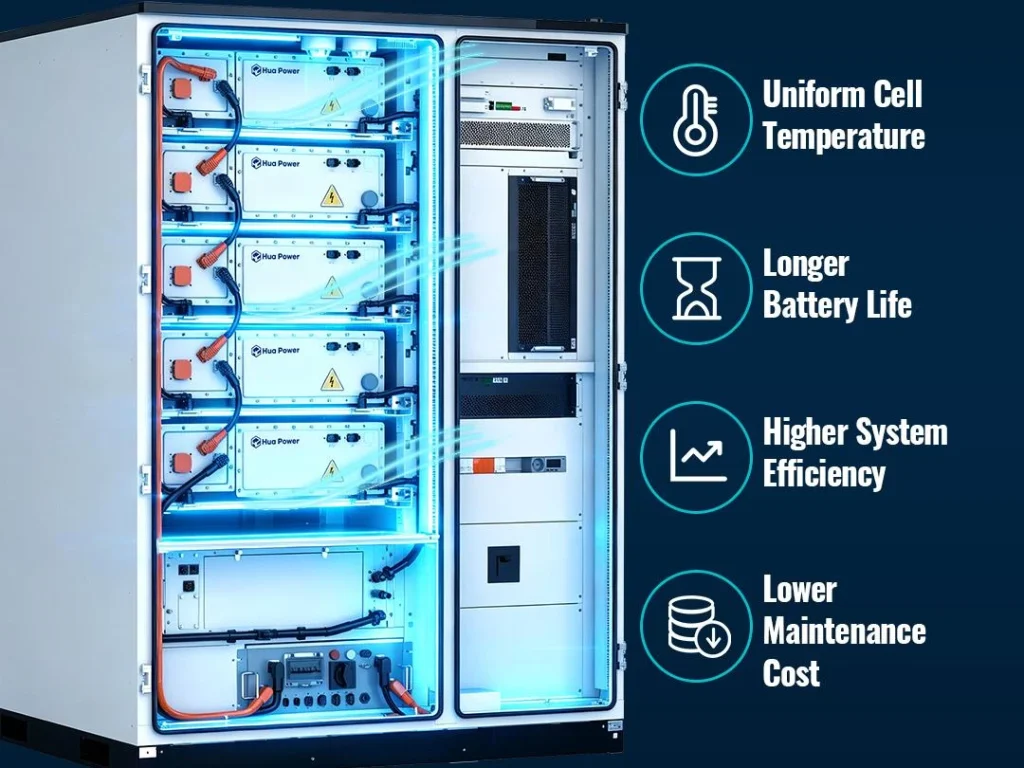
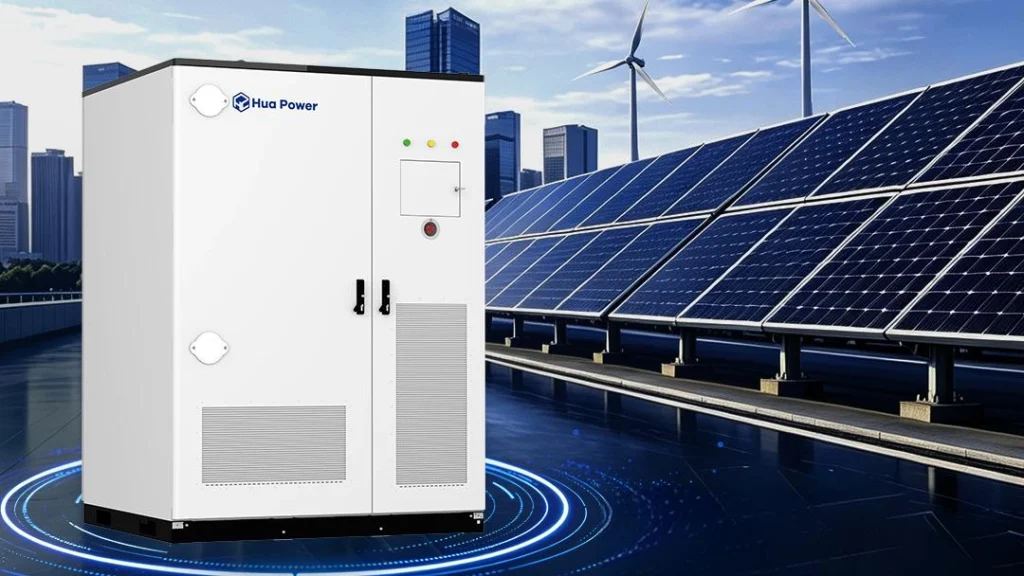
The HC-UPSAP261L page describes an all-in-one cabinet integrating batteries, power conversion and energy management for commercial and industrial operation. Its published specification provides a useful screening basis, but purchasing decisions need a controlled datasheet that identifies the exact delivered configuration. Website information should be reconciled with the quotation whenever labels, limits or options are unclear.
Read the main ratings together
| Published item | Manufacturer value | Procurement question |
|---|---|---|
| Rated output power | 125 kW | Under which temperature and grid conditions is this continuous? |
| Nominal battery energy | 261.248 kWh | What usable energy is guaranteed at the agreed measurement point? |
| Battery chemistry | LiFePO4 | Which operating limits and warranty conditions apply? |
| Maximum usable PV input power | 120 kW | Which array configurations and input arrangements are supported? |
| Cooling method | Liquid cooling | What maintenance, auxiliary demand and service access are required? |
| Enclosure rating | IP54 | Is the proposed installation environment suitable? |
| Operating temperature | −20 to 50°C, derating above 45°C | What is the actual site-specific available power? |
Power and energy answer different questions. The power rating screens the load that can be supported at a moment in time. Energy capacity helps determine how long a service may continue. Neither figure should be evaluated independently. A requirement can pass the nominal power screen and still fail the energy requirement, or contain a brief load step that exceeds converter capability despite modest total energy consumption.
Clarify inconsistent specification details
The product page contains a stray reference to another model in its specification area. Its PV input table also presents multiple current entries alongside an MPPT and string notation that requires clarification. These are reasons to request a model-specific technical response, not reasons to invent an interpretation. Ask the supplier to identify tracker allocation, current limits and the correct configuration drawing in a controlled document.
The published system round-trip efficiency is at least 85%. Before using that value in a financial model, confirm the test boundary, load conditions and treatment of auxiliary energy. The page’s maximum conversion efficiency should not be used as a substitute for whole-system round-trip performance. Similarly, a cell-cycle statement under standard conditions does not automatically become a project-level capacity warranty.
Commercial Battery Storage Requires Reliable Site Data
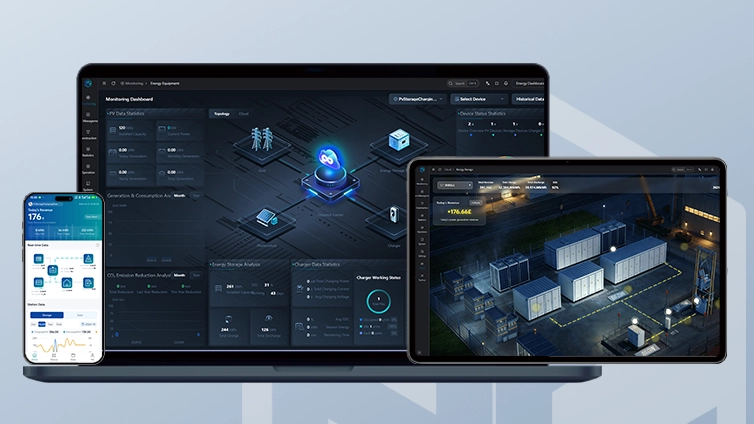
An effective proposal depends on the time relationship between electricity demand, solar production and tariff rules. Annual totals cannot reveal whether solar surplus exists when charging is permitted or whether a demand peak lasts longer than the available discharge energy. Collecting consistent interval data is therefore a procurement task as well as an engineering task. It allows the owner to challenge assumptions before committing to equipment.
Build a traceable data package
Provide synchronized load and PV generation measurements at a resolution suitable for both the intended control strategy and the utility’s billing interval. Include timestamps, units, meter locations and a record of missing values. If different systems use different time zones or daylight-saving rules, reconcile them before combining datasets. An apparently useful charging opportunity can disappear when misaligned generation and consumption records are corrected.
Preserve abnormal days rather than removing them without explanation. Weekend shutdowns, equipment maintenance, unusual weather and production changes may be important to sizing. Ask the engineering team to distinguish a genuinely erroneous measurement from a real operating event. Where data must be estimated, identify the method and retain the original record so that reviewers can understand the uncertainty introduced by the repair.
Explain future changes to the facility
Historical operation is not always the intended future operation. A new production line, electric fleet, refrigeration expansion or change in working hours can alter both demand peaks and solar consumption. Describe committed changes separately from speculative ones. Suppliers should show how each scenario affects their recommendation instead of embedding an unexplained growth percentage in every load interval.
For facilities considering an integrated solar architecture, the Systém ukladania energie z fotovoltaiky a batérií product category is relevant to configuration comparisons. The proposal should still explain whether the actual project uses direct PV inputs, an existing AC-connected solar installation, or another approved arrangement. The presence of PV terminals does not by itself resolve integration with an existing inverter system.
Commercial Battery Storage Economics Must Follow Dispatch
Battery economics are sensitive to the tariff, operating schedule and energy available for each service. A simple price-per-kilowatt-hour comparison can be useful for identifying questions, but it cannot establish project value. The model should show chronological operation, apply the actual tariff and include the costs necessary to deliver the promised service. This makes the relationship between physical operation and financial results visible.
Separate energy charges and demand charges
Energy charges normally depend on consumed kilowatt-hours and the applicable price schedule. Demand charges depend on a defined power measurement, which may use particular intervals, time windows or historical rules. Obtain the actual tariff rather than assuming that reducing any instantaneous peak creates the same bill saving. The relevant electricity tariff terminology is useful background, but the facility’s utility documents remain the authority for calculation.
Consider an illustrative battery discharge of 100 kWh during a high-price period. If the discharge replaces purchased electricity, the avoided energy charge depends on that period’s price. Recharging requires more than 100 kWh when losses are included. The charging cost must use the actual source and time of charging. Adding a demand benefit requires evidence that the discharge also reduces the relevant billed demand measurement.
Keep the financial example conditional
Suppose an illustrative system delivers 100 kWh and requires 117.65 kWh of input for that cycle, corresponding to an assumed 85% round-trip ratio. At hypothetical prices of 0.10 per input kWh and 0.20 per avoided output kWh, the gross energy difference is approximately 8.24 currency units before other costs. These prices are examples, not a current market quotation or a projected customer result. A different price spread can eliminate the benefit entirely.
Account for costs beyond the cabinet
Request a transparent installed-cost breakdown. Electrical works, foundations, lifting, protection changes, communications, commissioning and engineering can materially affect the project budget. Ongoing costs can include maintenance, monitoring subscriptions, insurance, inspections and component replacement. The owner should know which costs are firm, estimated, excluded or dependent on a later site survey.
Compare proposals over the same evaluation period and document discounting assumptions if used. Do not compare one supplier’s initial hardware price with another supplier’s complete installed service. Ask for sensitivity cases covering lower utilization, reduced tariff spread, additional reserve requirements and lower available capacity. A recommendation that only works under one optimistic case deserves further investigation before approval.
Commercial Battery Storage Solar Integration Needs Engineering
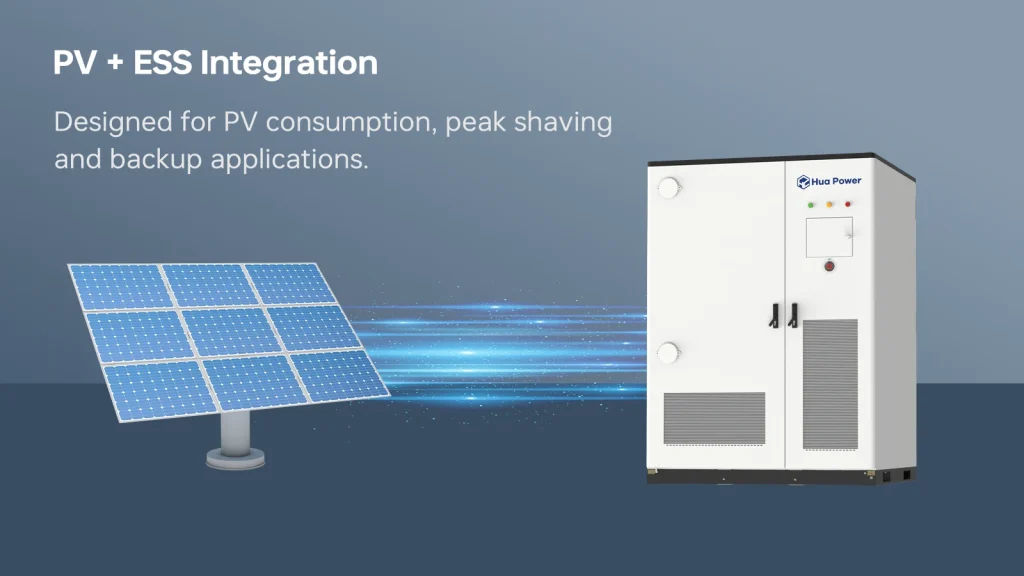
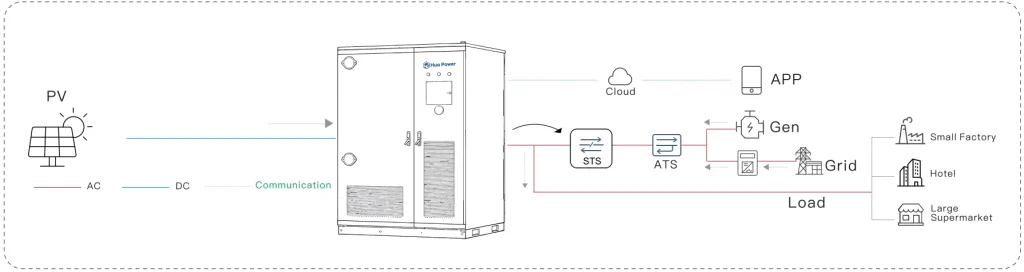
The HC-UPSAP261L specification lists a maximum usable PV input power of 120 kW, a maximum input voltage of 1000 V, an MPPT range of 200–950 V and a narrower full-load MPPT range of 500–900 V. These parameters should be reviewed together. Matching only array power to a nominal input-power figure leaves voltage, current, tracker allocation and operating-condition questions unresolved.
Verify strings across temperature conditions
The designer should calculate cold-condition open-circuit voltage and hot-condition operating voltage using the selected module data and local design temperatures. The series string count must remain compatible with the converter’s voltage limits and the intended operating range. Input current checks require the confirmed terminal and tracker arrangement, including the relevant short-circuit-current criteria. These calculations should appear in the design package rather than being left as an installation assumption.
The principle of maximum power point tracking explains why operating voltage matters to solar conversion. It does not establish the number of independent trackers in a specific cabinet. Where arrays face different directions or experience uneven shading, ask how the approved input architecture handles their different operating points and whether the proposed arrangement creates avoidable limitations.
Evaluate actual solar charging opportunities
A PV array does not dedicate all of its generation to the battery. The building may consume most output directly, while export restrictions and battery acceptance limits may further constrain charging. The dispatch model should calculate surplus after simultaneous site demand and then apply charging power, SOC and operating restrictions. Assuming that every generated kilowatt-hour can be stored overstates the battery’s utilization.
An illustrative 120 kW of PV generation alongside 50 kW of site demand leaves 70 kW before relevant charging losses and limits. If those conditions continue for two hours, the potential surplus is 140 kWh. This is different from the 240 kWh produced by the array over the same period. A realistic model must also recognize that cloud cover, changing demand and an already full battery can reduce the available charging opportunity.
Commercial Battery Storage Backup Must Define the Loads
Backup requirements are often described too broadly at the quotation stage. Statements such as supporting the factory or protecting operations need to be translated into an electrical load schedule and a required service duration. The design team must also establish how the battery interacts with the utility supply, existing generators and protective devices. Battery capacity alone cannot define a functioning islanded system.
Separate critical loads from convenient loads
Create a list of equipment that must remain energized and explain why each item is critical. Include continuous demand, starting behavior, power factor, permissible interruption and restart sequence. Some equipment may tolerate a controlled shutdown, while other equipment may require a much shorter interruption than the proposed transfer arrangement can provide. Those differences affect both scope and cost.
The HC-UPSAP261L page identifies backup operation and coordination with PV and diesel generators as applications. That does not establish a particular transfer time, generator-control sequence or black-start capability for every delivered configuration. Ask the supplier to confirm the functions required by the project and identify the equipment and settings necessary to implement them. Avoid treating an application description as a tested guarantee.
Relate reserve energy to the operating policy
Backup reserve should be expressed as a control requirement with a clear lower limit and recovery rule. If the site permits economic dispatch below that limit during exceptional conditions, identify who can authorize it and how the decision is logged. If grid charging is required to restore reserve after an outage, confirm that this charging is permitted and that it will not create an unacceptable import peak.
The concept of state of charge is useful for communicating reserve policy, but a displayed percentage is an estimate rather than a direct promise of delivered energy. Available capacity, temperature, power demand and protective limits influence the actual service. The acceptance test should therefore demonstrate the agreed critical-load scenario rather than merely confirming that the display shows a particular SOC value.
Commercial Battery Storage Controls Need Clear Ownership
The battery, power converter and site controller have different responsibilities. A good procurement package identifies which device measures the relevant power flows, which controller issues commands and which protections retain authority to stop operation. This prevents a common integration problem in which several systems appear capable of controlling the battery but no party accepts responsibility for overall behavior.
Distinguish protection from scheduling
The battery management system monitors and protects the battery within its approved operating limits. Site-level energy management schedules charging and discharging to meet objectives such as solar consumption, import limits and reserve preservation. Scheduling commands cannot override safety limits. The proposal should explain how unavailable power or energy is reported when a requested action cannot be completed.
Identify the point-of-connection meter and confirm the direction convention for import and export. A reversed meter sign can produce the opposite of the intended control response. Define communications interfaces, polling intervals, access permissions and alarm handling. Where an external building or plant controller is involved, agree which system has control priority and how conflicting instructions are resolved.
Specify failure and recovery behavior
Ask what happens when the meter signal is lost, a network connection fails or the supervisory controller restarts. The desired response should be agreed in the design, not discovered during commissioning. Depending on the approved arrangement, the system may need to limit output, cease a particular mode or revert to a defined local policy. The appropriate response depends on site requirements and the supported equipment functions.
Recovery also matters. Automatically resuming a prior schedule may be inappropriate if the reserve has changed or the facility is operating on a generator. Require a documented sequence for restoring normal operation and recording alarms. Remote access should use named responsibilities and appropriate controls; the convenience of monitoring should not leave the owner uncertain about who can change operational settings.
Commercial Battery Storage Installation Is Part of Performance
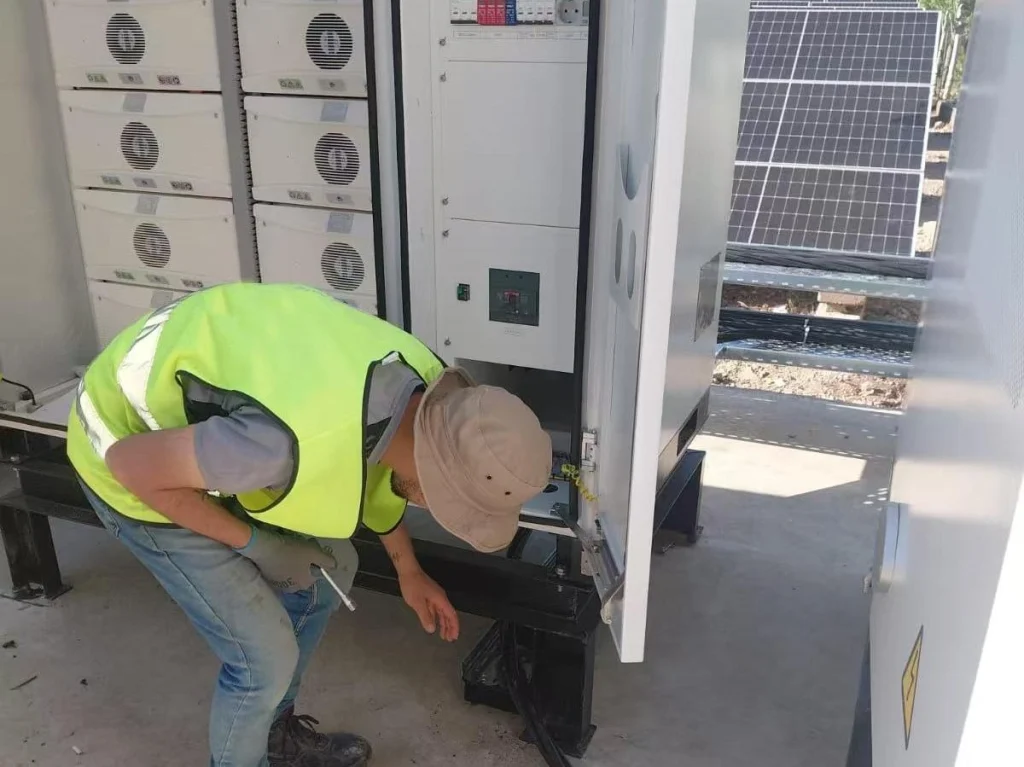
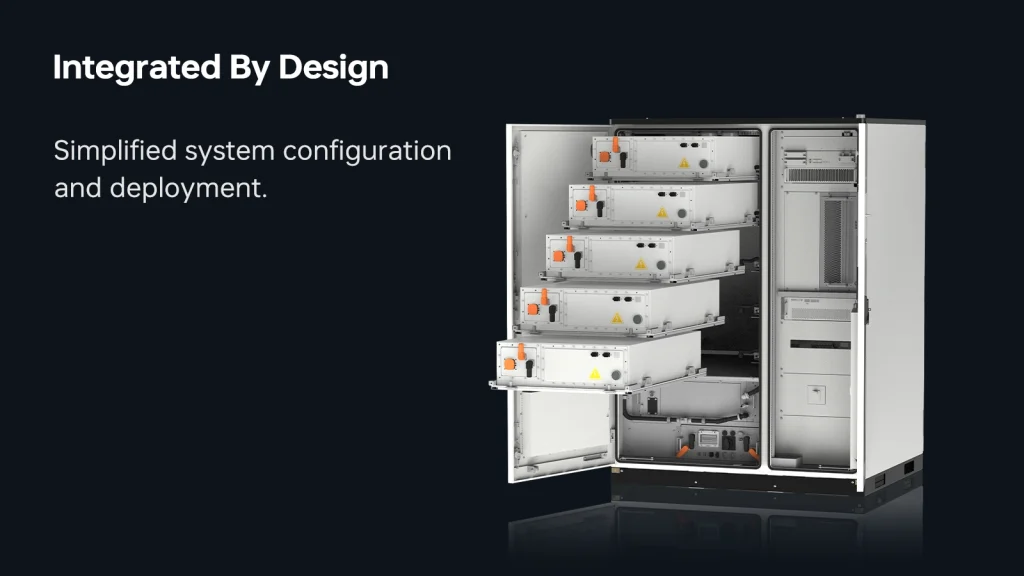
An integrated cabinet reduces the number of separate equipment packages, but it does not eliminate site engineering. The HC-UPSAP261L page lists a weight of 2.4 tonnes and dimensions of 1560 × 1350 × 2150 mm. Those figures support preliminary planning for transport and location. Final foundations, lifting arrangements, access clearances and electrical connections require the approved installation documentation and local engineering review.
Review environmental suitability before delivery
Record temperature extremes, altitude, humidity, drainage, corrosion exposure and direct solar heating at the proposed location. The published operating range includes derating above 45°C, so a hot-climate project should request the relevant performance curve. Rated power at a reference condition cannot simply be assumed available during the hottest demand event of the year.
The enclosure’s IP code describes ingress protection. IP54 should not be interpreted as permission for flooding, immersion or any installation condition absent from the approved documentation. Liquid cooling also requires service considerations: identify inspection needs, access routes, supported maintenance procedures and responsibility for dealing with a cooling-system alarm. Ask how auxiliary consumption is represented in the promised system performance.
Resolve the electrical interface
The published AC voltage information includes 230/400 V and three-phase connection arrangements. Confirm compatibility with the actual site supply, earthing arrangement and protection design. Review prospective fault conditions, isolation, cable routes, metering and emergency procedures. Existing switchgear may need evaluation even when the cabinet’s own rating appears suitable. The responsible designer should identify interface assumptions that require verification before delivery.
For terminology, power factor helps explain why real power alone may not fully describe equipment loading. The design team should evaluate reactive-power requirements and load characteristics using the converter’s approved capability information. Neither a nominal kW figure nor a generic power-factor description establishes compliance with the site’s grid-connection requirements.
Commercial Battery Storage Proposals Need Comparable Evidence
The strongest proposal is one that makes its assumptions, exclusions and evidence easy to inspect. Procurement teams should ask suppliers to respond to the same scope matrix and performance scenarios. This improves comparison without pretending that every architecture or service package is identical. It also highlights differences that deserve commercial negotiation rather than being hidden inside a single price figure.
Use a response matrix for supplier evaluation
| Review area | Required supplier response | Owner’s evaluation question |
|---|---|---|
| Operating service | Mode descriptions and chronological dispatch assumptions | Does the proposal deliver the priority service? |
| Usable capacity | Measurement boundary and operating window | Is delivered energy comparable across bids? |
| Site integration | Drawings, interfaces and scope exclusions | Who owns each connection and control function? |
| Výkon | Conditions, derating and acceptance method | Can the claimed result be demonstrated? |
| Warranty | Capacity, throughput and operating conditions | Does actual planned use remain within coverage? |
| Služba | Response process, spares and maintenance scope | Can support be delivered at the project location? |
| Commercial scope | Installed cost, recurring cost and exclusions | Are the quoted totals genuinely comparable? |
Assign an owner to each unresolved question and record the evidence needed to close it. A supplier statement that a function is supported should be tied to the offered configuration and revision. Generic brochures can explain an equipment family, but model-specific commitments should appear in the technical agreement or other controlled project documents.
Verify safety and compliance claims precisely
Request the actual model-matched documents relevant to the project rather than treating a website’s collection of certification logos as blanket approval. Check the equipment identity, configuration, test scope and any limitations. Applicable installation and connection requirements vary by jurisdiction, and the responsible project professionals should determine which evidence is required. A transport test, component evaluation and installed-system approval answer different questions.
The broader concept of round-trip efficiency concerns energy entering and leaving a defined process. For purchasing comparisons, the practical issue is whether suppliers use the same boundary and test conditions. Ask them to state auxiliary treatment, operating power, SOC window and environmental conditions. A higher number is not automatically a better project outcome if the underlying definitions differ.
Commercial Battery Storage Acceptance Should Be Planned Early
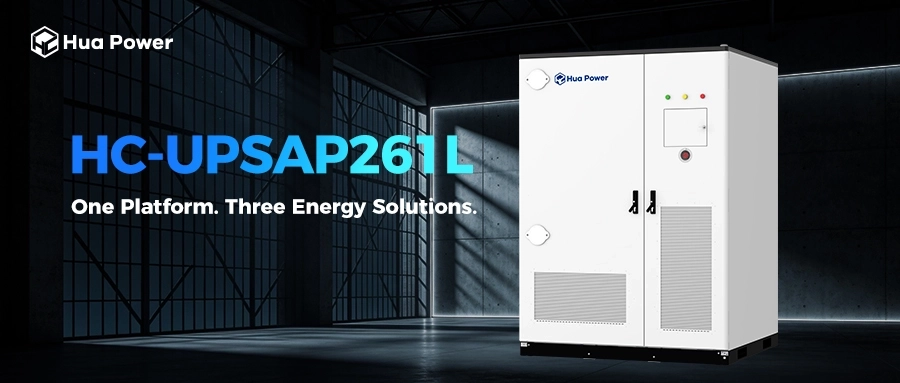
Commissioning should demonstrate the service agreed during procurement. If acceptance requirements are first discussed after delivery, the owner and supplier may discover that they had different interpretations of the purchase. Define the tests, evidence, responsibilities and permissible operating interruptions before the equipment arrives. This also allows necessary meters and logging functions to be included in the project scope.
Convert objectives into measurable tests
- Confirm installed model, configuration and firmware against the approved equipment schedule.
- Verify meter direction and synchronized timestamps using controlled changes in site power flow.
- Demonstrate charging and discharging within the approved SOC and power limits.
- Test the agreed solar-surplus or demand-control mode under representative conditions.
- Demonstrate reserve preservation and the specified recovery behavior.
- Where authorized, test the agreed backup sequence and critical-load response.
- Confirm communication-loss alarms and the approved fallback policy.
- Deliver settings, test records, drawings, manuals and named support contacts.
Tests involving outages, protective devices or energized equipment require qualified personnel and an approved procedure. The supplier should identify prerequisites and conditions that would invalidate a result. The owner should retain both the acceptance summary and the underlying measurements so that later performance questions can be traced to the actual commissioning conditions.
Make handover useful to the operating team
The operating team needs more than a successful demonstration. Provide a practical explanation of normal modes, alarms, escalation routes and actions that require specialist support. Document who can change schedules and reserve settings, how changes are approved and where records are kept. A system can pass commissioning and still underperform commercially if nobody understands the agreed operating policy.
Arrange a post-handover review using actual site data after a representative period of operation. Compare observed dispatch with the assumptions used in the proposal and distinguish equipment limitations from changes in facility behavior. Adjustments should remain within approved operating limits and should be documented. This review helps the owner identify whether expected benefits were reduced by missing solar surplus, altered working hours or inappropriate schedules.
Keep warranty obligations aligned with daily operation
Warranty review should involve the people who will operate the equipment. If a capacity commitment depends on temperature, throughput, SOC limits or maintenance records, those requirements must be practical for the intended site. Ask how compliance is measured and which records the owner must retain. A nominally attractive warranty can be difficult to use if the necessary evidence is unavailable from the installed monitoring system or if the operating strategy routinely exceeds the stated conditions.
Distinguish defects coverage from a capacity-retention commitment and from a service response agreement. These documents may have different durations, exclusions and remedies. Clarify whether a remedy involves repair, replacement, additional capacity or another contractual mechanism. Identify who pays for transport, lifting, site labor and recommissioning when corrective work is needed. None of these terms should be inferred from a general cell-cycle statement on a product page.
Establish a change-control record
After handover, keep a simple record of operational changes. Include the date, person responsible, reason, previous setting and new setting. Changes to reserve levels, charging windows, import limits or alarm thresholds can affect both financial performance and the interpretation of later faults. The record should also identify whether supplier review was required and whether that review occurred. This makes troubleshooting more efficient without turning routine operation into an undocumented experiment.
Review planned facility changes against the original service brief. Adding equipment, modifying a solar array or changing a utility contract may require a fresh assessment of the battery schedule and electrical interfaces. Reusing the original savings estimate after these changes can misrepresent current performance. A controlled review preserves the distinction between a delivered system that no longer matches the facility’s needs and a system that failed to meet its original agreed requirement.
A useful final review asks whether another engineer could reproduce the proposal from the supplied inputs. That reviewer should be able to identify the load records, tariff version, assumed reserve, conversion boundaries and installed scope without relying on an undocumented conversation. If an assumption changes the recommendation, show that dependency explicitly. This is especially important when the project is approved by a team different from the team that collected the data. Clear records help future operators understand why the equipment was selected and which conditions must remain true for the expected service to continue.
Summary: Choose Commercial Battery Storage by Evidence
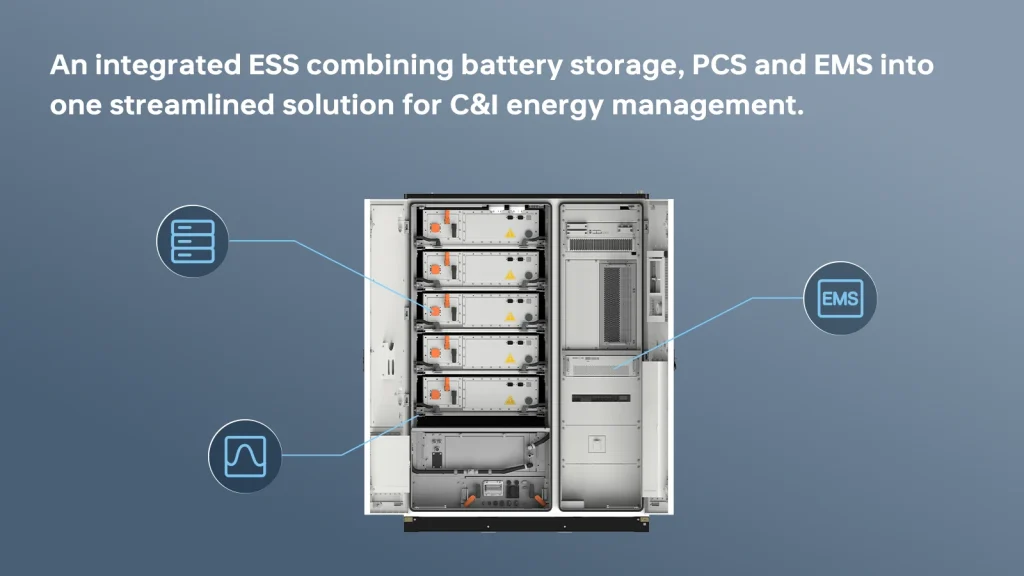
HC-UPSAP261L provides a concrete reference for evaluating an integrated commercial solar-storage cabinet, with published 125 kW output and 261.248 kWh nominal battery energy. A sound purchase decision still depends on the facility’s operating objective, interval data, usable-energy assumptions, solar interface, backup scope and installation conditions. The procurement package should connect each promised benefit to a defined operating scenario and a measurable acceptance test.
Bring your load data, PV information, tariff documents and critical-load requirements to Hua Power and request a model-specific proposal with clear assumptions and scope boundaries. Before approving the order, resolve the technical clarification register, compare complete installed costs and agree the evidence required at commissioning. That gives the project team a shared basis for judging both the proposed solution and the delivered result.